

How to Deal with a Pigeon Bird Nest in Your Attic
If you’ve found yourself dealing with a pigeon bird nest in your attic, you’re not alone—and it’s not something you should ignore. Pigeons might seem harmless, but when they set up shop in your attic, they bring more than just feathers. Their nests can damage insulation, ruin air quality, and even spread disease. If you’ve recently discovered a pigeon bird nest in your attic, it’s essential to address the situation promptly.
In this blog, we’ll break down what attracts pigeons to your attic, how to remove a nest safely, what solutions work (and what don’t), and why attic cleanup matters. If you’re dealing with the mess and health risks of birds in your home, read on.
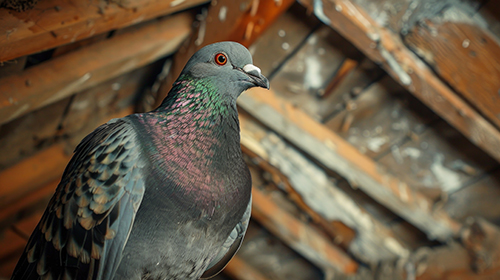
Why Are Pigeons Nesting in My Attic?
Pigeons are opportunistic. Your attic offers them a perfect shelter: warm, dry, and protected from predators. Add in a small opening or broken vent, and you’ve basically rolled out the welcome mat.
Here’s why they target your attic:
- Broken roof tiles or vents: Any gap or hole provides easy access.
- Gaps under the eaves or fascia: Even small cracks can be a pigeon’s gateway.
- Chimneys without proper caps: These can become perfect entry points.
- Unnoticed Access Points: Vents and small openings in the roof go unnoticed and unsealed.
Once they’re in, pigeon bird nests can appear fast—and they won’t disappear quickly. In fact, pigeons are known to return to the same nesting site year after year unless the area is properly sealed and cleaned.
Signs You Might Have a Pigeon Bird Nest
You might not see the nest immediately, but there are clear signs that pigeons have moved in.
Keep an eye (and ear) out for:
- Flapping or soft cooing sounds: If you hear these sounds from above, pigeons may have settled in your attic.
- Feathers or droppings: These are commonly found near roof edges or vents and could indicate a bird nest in the attic.
- Strong, musty odors: Pigeon droppings and nesting materials create a foul smell.
- Visible nest materials: Insulation may be disturbed, or you might spot visible nesting materials.
If you suspect there is a pigeon’s nest in your attic, don’t wait too long. The longer they stay, the more damage they do—and the harder cleanup becomes.

How Do I Get Rid of a Bird’s Nest in the Attic?
Removing a bird’s nest isn’t as simple as tossing it in the trash—especially if it’s active. Pigeons often lay eggs, and in many regions, it’s illegal to remove nests with unhatched eggs or baby pigeons without a permit.
Here’s the safest approach:
1. Inspect Carefully – Look for eggs or baby pigeons. If the nest is active, contact wildlife control or wait until the pigeons have vacated.
2. Wear Protective Gear – Pigeon droppings and nesting materials can carry diseases like histoplasmosis, salmonella, and even mites. Always wear gloves, a mask or respirator, and goggles when dealing with the nest.
3. Remove Nest and Droppings – Carefully bag and dispose of nesting materials. Clean the area with disinfectants to eliminate bacteria and fungi. Read our blog, ‘How To Clean Up Bird Droppings In The Attic’ for a step-by-step guide.
4. Seal Entry Points – Use mesh, caulk, or repairs to close off any holes or vents. This prevents pigeons from future nesting.
Even if the nest is gone, the residual contamination from a pigeon bird nest often remains—deep in insulation, air ducts, or wood surfaces. That’s when professional bird damage restoration is needed.
Do Ultrasonic Pigeon Repellers Work?
If you’ve looked into pigeon control devices, you’ve probably come across ultrasonic pigeon repellers. These devices claim to repel birds with high-frequency sounds, but in reality, they rarely work long-term.
Pigeons are smart and adaptive. Even if they initially react to the sound, most pigeons ignore them after a few days. They adapt quickly and return once they realize the noise is harmless. Most homeowners find that ultrasonic devices are not a reliable way to remove or prevent a pigeon nest.
Instead, consider more effective solutions like:
- Bird spikes on ledges or beams: This prevents pigeons from landing.
- Bird netting: Blocks access to vulnerable roof sections.
- Motion-activated sprinklers or lights: Deters pigeons with sudden movements or water.
- Professional-grade exclusion materials: These can prevent pigeons from nesting in the first place.
While ultrasonic devices may be part of a broader prevention strategy, they shouldn’t be your only solution.

Can Bird Droppings Affect Air Quality?
Yes, bird droppings can severely affect indoor air quality. Pigeon droppings dry out and turn to dust, which can circulate through your HVAC system. This dust contains fungal spores and ammonia, both of which can cause:
- Respiratory issues: Including asthma or chronic coughing.
- Allergic reactions: Such as sneezing or skin irritation.
- Chronic coughing or headaches: Prolonged exposure to these toxins can lead to headaches and fatigue.
For this reason, air scrubbing and air quality testing are often needed after a bird infestation to ensure the air in your home is safe to breathe in again.
What Happens If I Ignore a Pigeon Bird Nest?
You might be tempted to ignore the problem, especially if it seems small. But the risks from leaving a pigeon bird nest in your attic grow over time.
Here’s what can happen:
| Problem | Impact |
| Nesting material buildup | Fire hazard from dried, flammable materials |
| Droppings | Wood rot, paint damage, and insulation corrosion |
| Mites and parasites | Can spread into your home and cause further health issues |
| Noise and odor | Constant disturbance due to pigeons’ activity |
| Reinfestation | Pigeons return and bring friends |
A single nest can lead to thousands of dollars in property damage over time.

Should I Clean the Nest Myself?
Technically, you can—but it’s risky.
Pigeon bird nests and droppings are toxic. DIY cleanup often spreads contamination if done improperly. You could end up inhaling dangerous spores or exposing your home to bacteria and parasites.
Professional cleanup is:
- Safer – Experts use commercial-grade PPE and air scrubbers to remove contaminants safely.
- Thorough – Professionals ensure every corner, including insulation and ducts, is properly disinfected.
- Compliant – Local wildlife and health regulations are strictly followed during cleanup.
Should I Call a Professional?
If you’re unsure how to remove the nest legally, safely, and completely—yes, you should call a professional.
At Attic Cleanup, we specialize in bird damage restoration and full attic cleanup, not just nest removal. Our services include:
- Safe bird nest removal and disinfection while following all regulations.
- Bird droppings cleanup using a professional-grade disinfectant to minimize the spread of dangerous fungi.
- Advanced air scrubbing to eliminate histoplasma and other bird-born fungal spores.
- Air quality testing to ensure your attic has been restored to a healthy environment.
- Inspecting and repairing any damage to insulation, wiring, or other attic components caused by birds.
- Sealing exterior gaps and entry points to ensure birds can’t return and prevent future bird damage.
- Homeowner insurance support to ensure you get the coverage claims you’re entitled to.
Restore Your Attic After Bird Damage
If birds have taken over your attic, don’t wait until the damage spreads.
Attic Cleanup offers comprehensive bird damage restoration, including nest removal, sanitization, and air quality remediation. We don’t just clean—we restore your attic to a safe, livable condition.
Schedule a free inspection today and let us help you recover from bird nests in your attic and protect your home from future infestations.

Your Local Attic Cleanup Specialist,
Michael Koski 
Owner & President | Get Bats Out Attic Cleanup



Comments 0