

How to Get Rid of Squirrels in the Attic
Squirrels may look cute and harmless when they’re frolicking in the park or gathering nuts. But when they invade your home, particularly your attic, the charm fades quickly. These furry invaders can cause extensive damage, disrupt your peace, and even pose health risks. If you’re dealing with squirrels in the attic—or worse, squirrels in the attic and walls—you’re not alone. It’s a common issue for homeowners, especially during colder months when squirrels seek warmth and shelter.
In this guide, we’ll explain how to get rid of squirrels in the attic and walls, prevent future invasions, and why nuisance wildlife removal specialists might be your best bet for tackling the problem.
What Attracts Squirrels in the Attic and Walls
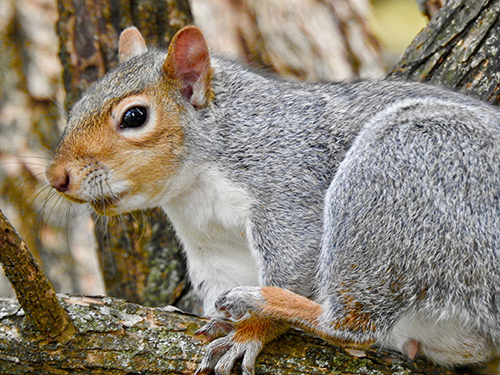
Have you ever wondered why squirrels seem so determined to make your attic or walls their new home? It’s not because they’re trying to annoy you (even if it feels that way!). For squirrels, these spaces are cozy and safe and offer everything they need—warmth, protection, and a quiet spot to raise their young. When it comes to picking a place in your home, squirrels see both the attic and walls as prime real estate—but for slightly different reasons.
Why Do Squirrels Choose Your Attic?
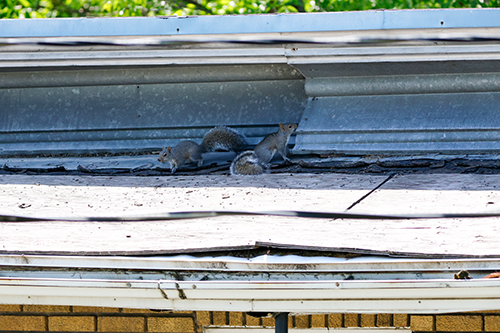
For squirrels, the attic is like the ultimate hideaway from predators and harsh weather. Because it’s spacious, quiet, and filled with insulation, it is perfect for building nests and staying warm. With easy access through vents, roof gaps, or nearby tree branches, it’s almost as if a squirrel is moving into a fully furnished apartment. Once inside, squirrels can chew through wires, insulation, and even wood. Their constant gnawing can lead to structural damage, electrical hazards, and skyrocketing repair costs.
Why Do Squirrels Choose Your Walls?
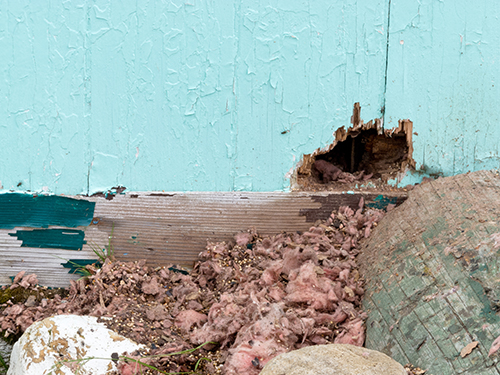
Squirrels don’t mean to be troublemakers, but when they sneak into your walls, it’s usually for the same reasons they love attics—shelter, warmth, and a safe place to nest. However, walls offer additional perks that make them appealing to these clever little creatures. Here’s why walls might just become their new favorite spot:
- Accessibility. If squirrels can’t get into the attic, they may use small gaps or cracks in your home’s exterior to sneak into the wall. Squirrels are nimble climbers and can squeeze through surprisingly small openings to enter walls. Common entry points include holes in siding or fascia, gaps around windows or doors, unsealed vents or utility lines.
- Food Storage. Walls can also become storage spaces for squirrels. If food is abundant outside, they may bring nuts or seeds into walls to hoard for later consumption.
- Escape Route. Squirrels are curious and explorative. If they’ve already made their way into your attic, they may move into walls looking for more space or a quick escape route. Wall cavities offer them additional hiding spots and pathways.
- Accidental Entrapment. In some cases, squirrels may accidentally end up in walls. They might fall into the space while climbing or exploring and find themselves trapped. This is often accompanied by frantic scratching sounds as they try to escape.
Signs You Have Squirrels in the Attic
How can you be sure it’s squirrels causing the chaos in your attic? Here are some tell-tale signs:
- Scratching Noises: Squirrels are active during the day, so if you hear scratching, scampering, or rolling sounds during daylight hours, squirrels are likely the culprit.
- Droppings: Small, oblong droppings in the attic or near entry points are a clear sign of their presence.
- Chewed Wires or Wood: Squirrels’ ever-growing teeth compel them to gnaw on anything, including your home’s infrastructure.
- Nests: Look for piles of leaves, twigs, and shredded insulation, which they use to create nests.
- Unpleasant Odors: Squirrels in attics and walls often leave behind more than just a mess—they usually drop urine, droppings, or even dead animals, creating foul smells.

Steps to Get Rid of Squirrels in the Attic
Successfully removing squirrels requires a combination of techniques. Follow these steps to evict your furry squatters:
- Locate Entry Points
Inspect your home for any holes, gaps, or damaged vents where squirrels could be entering. Pay special attention to rooflines, soffits, and eaves. If you suspect squirrels are in your attic and walls, look for openings near the foundation or siding.
- Use Humane Traps
Set live traps baited with peanut butter or nuts near entry points or in areas where squirrel activity is evident. Once captured, release the squirrels far away from your home—at least five miles—to prevent them from returning.
- Seal Entry Points
After removing the squirrels, immediately seal off all entry points. Use sturdy materials like metal mesh, hardware cloth, or steel wool to block gaps. Ensure that vents and chimneys are covered with appropriate caps.
- Install One-Way Exclusion Doors
If you’re dealing with an active infestation, a one-way exclusion door can be a game-changer. These devices allow squirrels to exit but prevent them from re-entering.
- Eliminate Attractants
Squirrels are drawn to food and shelter. Keep your yard clean by removing fallen fruit, birdseed, and other food sources. Trim overhanging tree branches that provide easy access to your roof.
- Use Repellents
Natural squirrel repellents, such as peppermint oil or predator urine, can deter them. Spraying these near entry points or in the attic may make the space less appealing.
If squirrels have made their way into your walls, the process is similar but requires extra care. Trapping and removing squirrels from walls can be tricky due to limited accessibility. Avoid blocking exit routes until you’re certain all squirrels have been removed—trapping them inside could lead to even worse problems.Professional nuisance wildlife removal services can handle this delicate process effectively, ensuring that no squirrels are left behind.
Why Hire an Attic Cleanup Service?
Ignoring a squirrel infestation won’t make it go away. In fact, the longer squirrels stay in your attic, the more damage they’ll cause. However, removing squirrels in the attic can be both challenging and time-consuming. Even if you manage to get rid of these nuisances, there’s still the mess they left behind, like chewed wires, damaged insulation, and hazardous droppings.
1. Safe Removal of Contaminants
Squirrel droppings and urine aren’t just unsightly—they’re a health risk. These substances can carry bacteria, viruses, and parasites that may spread diseases like leptospirosis or salmonella. Professionals have the tools and expertise to remove and dispose of these contaminants safely.
2. Repair and Restore Your Attic
Attic cleanup service professionals don’t just clean; they repair the damage caused by squirrels. From replacing insulation to fixing structural issues, they ensure your attic is back to its original condition—or better.
3. Prevent Future Infestations
Experts know how to squirrel-proof your attic, sealing every potential entry point and offering advice on keeping your home rodent-free.

Let Attic Cleanup Services Handle the Job
When it comes to getting rid of squirrels in the attic, there’s no substitute for professional help. At Get Bats Out Attic Cleanup, we specialize in humane nuisance wildlife removal, attic cleaning, repair services, and homeowner insurance assistance. Our team has over 25 years of experience in handling even the most stubborn infestations.
We’ll not only remove the squirrels but also clean up the mess, repair any damage, and squirrel-proof your home to prevent future invasions. Whether you’re dealing with squirrels in the attic and walls or a full-blown infestation, we’re here to help.
Don’t let squirrels take over your attic. Contact Attic Cleanup today for a free consultation, and let us restore it to a clean, safe, and squirrel-free space.
Reclaim your home—and your peace of mind—today!
Your Local Attic Cleanup Specialist,
Michael Koski



Comments 0