

Is Dried Rat Urine Dangerous?
After discovering rats on a property, homeowners face the challenge of getting rid of the rodents and handling their waste. When cleaning up, you might wonder how harmful rat urine is and if the waste is old, is dried rat urine dangerous? Many think that once rodent waste has dried, it no longer poses a risk. However, the truth is that whether it’s fresh or dried, rat urine still carries potential health hazards for humans. Although it may not be immediately apparent, exposure to dried rat urine can lead to various health issues. In this blog, we will answer the question, “Is dried rat urine dangerous?” and discuss the safety measures you should take when cleaning up dried rat urine.
Dried Rat Urine and Hantavirus
Hantavirus is a serious concern associated with rat urine. When rats excrete urine, they may release hantavirus particles into the environment. These particles can survive for extended periods, especially in dried urine. If you inhale dust contaminated with hantavirus, you risk contracting hantavirus pulmonary syndrome (HPS).
HPS symptoms include fever, muscle aches, fatigue, and shortness of breath. In severe cases, it can lead to respiratory failure and death. While HPS is relatively rare, it is essential to take precautions when dealing with areas that have been rat-infested, such as when carrying out an attic cleanup or attic restoration job.

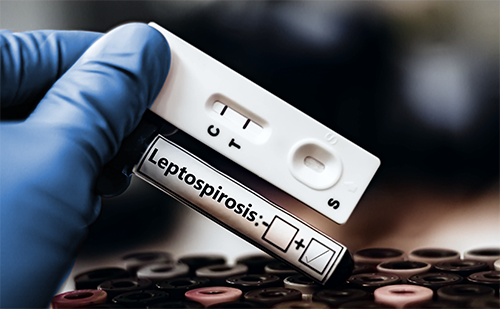
Leptospirosis
Leptospirosis (Weil’s disease) is another bacterial infection transmitted through rat urine. The bacteria Leptospira can survive in water, soil, and damp environments. If you come into contact with contaminated surfaces or water, you may contract leptospirosis.
Leptospirosis symptoms vary but can include high fever, headache, rash, muscle pain, nausea, diarrhea, and vomiting. In severe cases, it can lead to liver and kidney damage. Proper hygiene and avoiding exposure to rat urine are crucial for prevention.
Dried Rat Urine and Attic Cleanup
If you’ve asked the question: “Is dried rat urine dangerous?” because you have had rats in your home, you are likely concerned about the best way to clean the area. Removing contaminated materials and restoring your home to a healthy environment is essential; but as mentioned, the diseases associated with rat urine are serious. To avoid putting yourself at risk, we recommend using a professional pest clean-up service rather than undertaking the work yourself. The professional pest-control cleaning service should take the following safety precautions in line with CDC guidance:
How to clean up rat urine safely
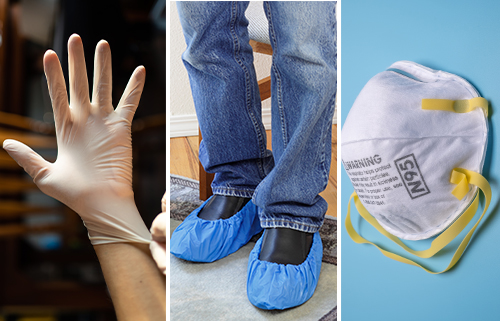
- Protective Gear: When doing basement or attic cleanup or working in another area that may be contaminated by rat urine, gloves, a mask, and protective eyewear should be worn. The CDC recommends a half-mask air-purifying (or negative-pressure) respirator with a high-efficiency particulate air (HEPA) filter or a powered air-purifying respirator (PAPR) with a HEPA filter.
- Ventilation: Proper ventilation should be ensured to minimize inhalation of contaminated dust.
- Avoid stirring up dust – A vacuum or sweeping brush should not be used in areas where rodents have been found.
- Disinfection: The CDC advises using an EPA-registered disinfectant or a bleach solution for cleaning. Spray the entire area to soften the dried urine, and once the area is thoroughly wet, use a mop or sponge and the disinfectant solution to clean. If you find dead rodents, spray them with disinfectant and double-bag them before disposing. Once you have finished cleaning, double-bag all cleaning supplies before putting them in the garbage.
- Dispose of PPE carefully and wash hands—After cleanup, gloves must be disinfected before they are disposed of along with other PPE.
- Seek Medical Attention if Needed: If there is suspected exposure to rat urine or a person is experiencing any of the above symptoms of hantavirus or leptospirosis, they should seek medical advice promptly.
Remember, prevention is key. If workers or residents encounter rat urine unexpectedly, they should stop work and take necessary precautions to safeguard their health.
Why choose professionals for safe rat urine cleanup?
Using a professional attic cleanup company for safe cleanup post-rat infestation has several benefits:
Advanced Cleaning Tools and Products
Professional cleanup companies use advanced cleaning tools and commercial-grade disinfectants that are more effective than regular household cleaning products. At Attic Cleanup, in addition to cleaning surfaces, we use an air-scrubbing machine to cleanse the air of harmful spores and toxins, ensuring a higher level of cleanliness and safety.
Safe Disposal of Contaminated Materials
Experts are used to properly disposing of contaminated materials and can ensure that hazardous waste is handled and disposed of in compliance with local regulations.
Prevent further infestations.
Cleanup professionals can identify potential entry points that rats use to enter your attic. They can advise on and provide services to seal these entry points, reducing the likelihood of future infestations.

Minimized Disruption and Stress
Professional cleanup services aim to minimize disruption to your daily life. They can efficiently restore your attic or affected area to a clean and usable state in less time than it would take the average homeowner. In addition, delegating the work to a professional team allows you to minimize contact with hazardous materials, saving you any anxiety you may have had regarding safety and infection when doing the clean-up yourself. Knowing that the attic cleanup has been handled by professionals can provide peace of mind. You can be confident that the area is safe for you and your family.
If you need help cleaning up dried rat urine or any other attic cleaning services, feel free to contact us, and we will be ready to help! For more information on the best way to clean your attic, check out the links below:
https://atticcleanup.co/how-do-i-decontaminate-my-attic-after-rats-or-mice/
Your Local Attic Cleanup Specialist,
Michael Koski



Comments 0