

What Causes Mold In Attics, and Can You Prevent It?
Mold in your attic can be a hidden threat to your home’s structure and pose severe risks to your family’s health. Our last blog discussed these issues and the serious impact of attic mold on property value. It’s certainly true that mold growth can cause long-term problems if not addressed. But what causes attic mold? Are there any steps property owners can take to prevent your attic from developing mold in the first place? In this blog, we’ll explore the most common causes of mold in attics and provide practical tips on preventing it from taking hold. By understanding these factors, you can protect your home and maintain a healthier living environment.

Excess Moisture – the main cause of mold in attics
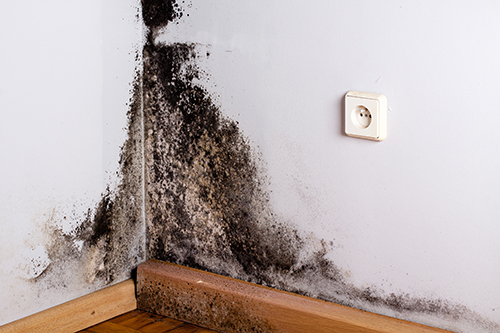
Excess moisture is the primary culprit behind attic mold growth. When warm, humid air rises into the attic and meets cooler surfaces, condensation forms, creating the perfect environment for mold to thrive. This moisture can come from roof leaks, but general household activities like cooking and showering also release humidity into the air. If moisture is not adequately controlled, it can quickly lead to mold growth, damaging your attic’s structure and potentially impacting indoor air quality.

Why Poor Ventilation Leads to Mold Growth
Excess moisture is the primary cause of attic mold, but poor ventilation is often pinpointed as the main culprit that goes hand in hand with excess moisture contributing to mold growth.
Poor ventilation in attics leads to:
- Trapped humid air
- Inability to regulate temperature effectively
- Condensation on colder surfaces
- Stagnant air that promotes mold spore growth
Inadequate ventilation prevents moisture from escaping, creating an environment where mold can thrive.
Steps to Prevent Mold in Your Attic
Preventing excess moisture is key to stopping mold before it starts. To maintain a dry attic environment, follow these steps:
Improve Attic Ventilation to Prevent Mold Growth
Install soffit and ridge vents to create a natural airflow that expels humid air and circulates fresh air. Proper attic ventilation helps maintain an even temperature and moisture level, which is crucial in preventing mold. This system should be complemented with other ventilation solutions, such as gable vents and attic fans, to enhance airflow. Regularly inspect and clean these vents to ensure they remain unobstructed.
Proper Insulation Can Prevent Mold in Attics
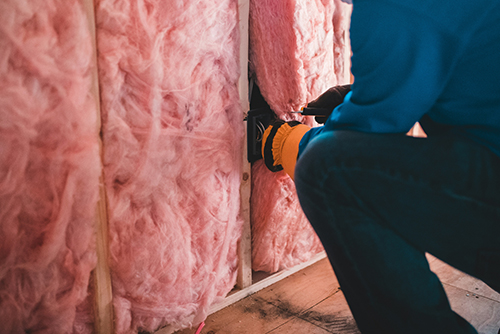
Proper insulation in the attic is also essential to prevent mold growth, which can lead to structural damage and health issues. By ensuring that the attic floor is well-insulated, you can keep warm, moisture-laden air from rising into the attic and condensing on the cooler surfaces. This process maintains the temperature balance and reduces the likelihood of mold spores finding a suitable environment to thrive. Additionally, insulating the attic can improve overall energy efficiency in your home, leading to lower heating and cooling costs. Therefore, investing in proper attic insulation is a crucial step in maintaining a healthy, mold-free living space.
Check exhaust fans and appliance vents are installed properly
Ensure all exhaust fans and appliances, such as bathroom, kitchen, and dryer vents, are properly ducted to vent directly outside, not into the attic. Venting these systems into the attic introduces excess moisture, which can lead to mold growth and damage over time. Proper ventilation prevents warm, humid air from accumulating in the attic, helping to maintain a dry, mold-free environment.
Regular Attic Inspections
By implementing the preventive measures detailed above, you’ll significantly reduce the risk of mold growth, safeguard your home’s structural integrity, and enhance overall indoor air quality. In addition to taking these steps to promote good ventilation, inspecting your attic regularly is essential to keep on top of maintenance and ensure your healthy attic environment is maintained. Follow these four steps for good attic maintenance:
- Schedule annual attic inspections, ideally in spring and fall, to catch potential issues between the extreme temperature variations of summer and winter. In spring, after the colder months, you can identify and address any damage caused by winter weather, such as ice dams or leaks. On the other hand, fall inspections prepare your attic for the upcoming winter by ensuring that insulation, ventilation, and other protective measures are in top condition. These inspections offer an excellent chance to clean your attic, reducing the buildup of harmful dust and spores and maintaining a clean, healthy space.
- Monitor indoor humidity levels, maintaining them between 30% and 50%. You can monitor indoor humidity levels using a hygrometer, a device that measures the moisture content in the air. Hygrometers are available in digital and analog forms, with digital models often providing more precise readings. Place the hygrometer in the room where you want to measure humidity, ideally away from windows and direct sunlight. Check the hygrometer regularly to ensure that humidity levels stay between 30% and 50%. If levels rise above 50%, consider using a dehumidifier to reduce moisture, especially in humid climates. Maintaining the proper humidity level will help prevent mold in your attic.
- Prevent ice dams in winter by keeping your attic cool and well-insulated, avoiding heat buildup that can melt snow on the roof. Seal any air leaks to prevent warm air from escaping into the attic, and consider installing a vapor barrier to reduce moisture. Regularly clear gutters and downspouts to allow melting snow to drain away from the roof. These steps help maintain a cool attic environment and prevent ice dams from forming.
- Inspect your roof regularly for leaks, especially after storms, and repair any damage promptly to avoid water infiltration. If there has been a leak, check to see if there is wet insulation in your roof or attic and repair any damaged insulation promptly.

When to Call a Professional for Attic Mold Removal
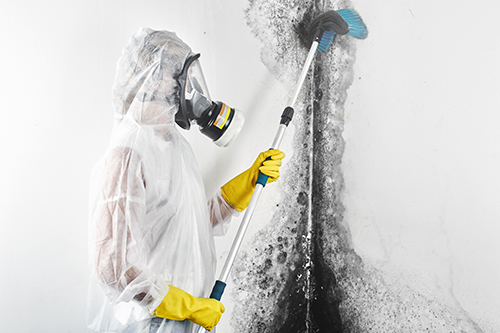
If you notice significant mold growth in your attic, it’s crucial to contact a professional mold remediation specialist for help. Signs warranting professional attic mold removal include large mold patches, persistent musty odors, or mold spreading to structural elements like beams, insulation, or roof decking.
Additionally, if you or anyone in your household suffers from allergies, asthma, or other respiratory conditions, professional mold cleanup is essential to ensure safety and thoroughness. Mold spores can aggravate these conditions, leading to more severe health problems. Professionals such as Attic Cleanup are equipped with specialized tools and protective gear to assess the extent of the mold infestation safely, contain it, and remove it without risking further contamination. They also identify and address the source of moisture that led to mold growth, such as roof leaks or ventilation problems, preventing future outbreaks. We have air-scrubbing machines that can capture the tiny mold spores. Additionally, we can conduct air quality testing for peace of mind to ensure your attic air is once again safe and healthy.
Timely intervention by attic mold removal experts not only protects your home’s structural integrity but also safeguards your family’s health. The longer mold is left untreated, the more costly and extensive repairs may become. Addressing the issue promptly can prevent potential health hazards, long-term damage, and expensive restoration work. If you need help with mold in your attic, contact attic cleanup today!
Your Local Attic Cleanup Specialist,
Michael Koski



Comments 0