

What does raccoon poop look like?
If you’re wondering, “What does raccoon poop look like?” and whether you need raccoon feces cleanup — you’re likely dealing with suspicious droppings in your attic, yard, or crawl space. Identifying raccoon feces right away can protect your family from serious health risks and help you avoid costly damage. Here’s what to look for, what dangers to avoid, and when to call in a professional.

What does raccoon poop look like?
Raccoon poop looks like dark, tubular droppings about 2 to 3 inches long, often with visible seeds or other food bits. It’s similar to dog feces but usually more segmented and twisted in appearance.
Here’s a breakdown to help you identify it more confidently:
| Feature | Description |
| Size and Shape | Tubular, 2-3 inches long, ½ inch thick, segmented, sometimes twisted |
| Color (fresh) | Dark brown to black |
| Color (Aged) | Light brown to gray as it dries |
| Texture | Firm when fresh, crumbly when dry |
| Common Contents | Berry seeds, corn husks, insect parts, fur, small bones |
| Distinguishing Signs | Often confused with dog poop, but more twisted and commonly found in latrines |
Do raccoons poop in the same spot?
Yes. Raccoons often return to the same place to defecate, creating what’s called a “raccoon latrine.” Finding multiple droppings in one area indicates that raccoons are nesting nearby.
Common Places to Find Raccoon Droppings:
Outdoors:
- Base of large trees
- Forks of tree branches
- Roofs, decks, sheds
- Wood piles or garden beds
Indoors:
- Attics (especially near insulation or dark corners)
- Garages
- Crawl spaces
- Behind stored boxes or clutter
If you consistently find droppings in the same spot, you’re likely looking at a latrine and an active raccoon infestation.

What Diseases Can You Get from Raccoon Poop?
Raccoon feces can carry serious parasites and bacteria that pose significant health risks to humans. The most dangerous is a roundworm called Baylisascaris procyonis, but it’s not the only threat.
| Disease | How You Get It | Symptoms |
| Baylisascaris procyonis | Swallowing microscopic eggs from contaminated feces | Muscle weakness, loss of coordination, blindness, coma |
| Leptospirosis | Contact with contaminated soil or water | Fever, vomiting, liver/kidney damage |
| Salmonella | Contact or accidental ingestion | Diarrhea, stomach cramps, fever |
Young children face the highest risk, especially if they play in areas like attics, crawl spaces, or yards where raccoons may have left droppings.
How to Safely Clean Up Raccoon Poop
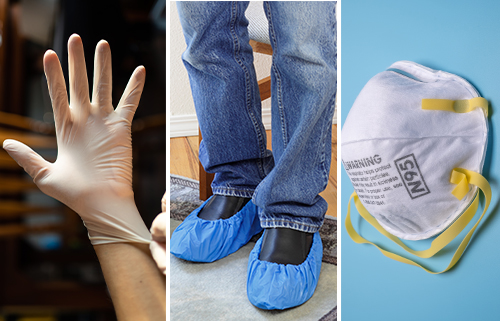
Never clean raccoon droppings without proper protection. The feces can carry parasites and bacteria that become airborne during cleanup, putting you at serious risk.
Safe Raccoon Poop Cleanup Steps:
- Wear full PPE: Gloves, N95 respirator, goggles, and disposable coveralls
- Lightly mist the droppings with disinfectant to prevent dust from spreading
- Scoop up feces with a disposable tool or paper towels — never sweep or vacuum
- Double-bag the waste and dispose of it following hazardous waste guidelines
- Disinfect the area thoroughly using a strong cleaner like bleach or an enzyme-based product
Even with full gear, DIY cleanup is risky. Without training, it’s easy to spread contamination or miss hidden droppings.
Do I Need a Pro for Raccoon Feces Cleanup?
Yes. This is not a regular cleaning job. The health risks are too high, and hidden contamination is common.
At Attic Cleanup, we specialize in professional raccoon feces cleanup:
- Safe removal using proper containment methods
- Full disinfection and deodorizing
- Insulation removal and restoration, if needed
- Prevention recommendations to stop future raccoon activity
We help protect your health and restore your attic or crawl space properly.
What to Do If You Find Raccoon Poop
If you’re asking “What does raccoon poop look like?”, there’s a good chance you’re dealing with a real infestation. Don’t wait for it to get worse. Protect your home and your health. Contact Attic Cleanup today for safe, fast, professional cleanup
Your Local Attic Cleanup Specialist,
Michael Koski 
Owner & President | Get Bats Out Attic Cleanup



Comments 0